
What to Do During an Emergency: Immediate Crisis Rules
Facing a sudden crisis? Discover what to do during an emergency to protect yourself and others, maintain composure, and execute critical safety plans.
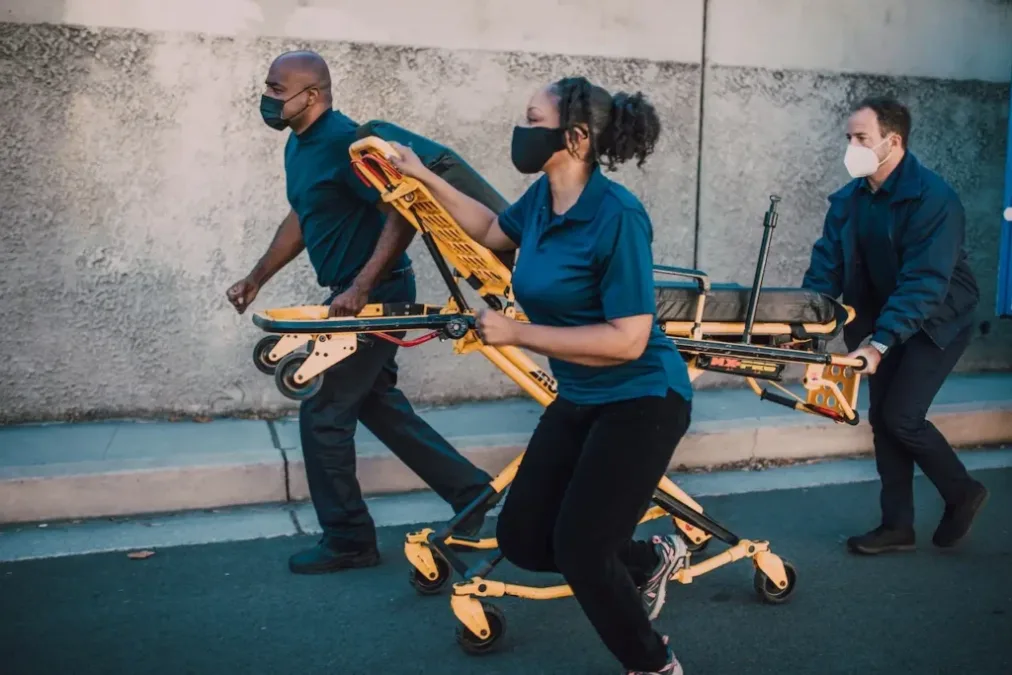
What to Do During an Emergency
An emergency—whether a natural disaster, severe industrial fire, structural collapse, active safety threat, or sudden medical crisis—demands rapid, clear-headed decision-making under intense pressure. Panic and hesitation are your greatest vulnerabilities in a crisis. Following established emergency protocols protects yourself and those around you.
Maintain Composure and Assess the Threat
Controlling emotional panic allows you to process information accurately and take effective action.
Pause and take a deep breath: Taking a brief, deep breath helps manage the body's natural panic response, restoring focus and physical control.
Identify the immediate hazard: Determine the exact nature of the emergency—is it an environmental threat, structural damage, an active security risk, or a medical crisis?
Identify escape routes and shelter zones: Quickly locate primary and secondary exit routes, emergency stairwells, or designated shelter locations.
Execute Established Emergency Action Plans
Follow tested emergency protocols tailored to the specific crisis you face.
For fires or structural threats: Evacuate immediately using stairwells, never use elevators, stay low under smoke, and gather at designated outdoor assembly points.
For severe weather or environmental threats: Move to interior ground-floor rooms without windows, take cover under sturdy furniture, or follow official local shelter-in-place mandates.
For severe security threats: Follow "Run, Hide, Fight" protocols, lock and barricade doors, silence electronic devices, and wait for official law enforcement clearance.
Alert Emergency Services and Spread Warning
Clear communication ensures that help arrives quickly and others nearby are alerted to danger.
Activate local alarms: Pull manual fire alarm stations or sound local building warnings if evacuating a facility.
Contact 911 or emergency services: Call emergency dispatchers as soon as you reach a safe position. State your precise location, the nature of the emergency, and any known injuries or trapped individuals.
Follow emergency personnel directions: Listen carefully to instructions issued by police officers, firefighters, or official safety coordinators.
Render Aid and Account for Others
Once your personal safety is secured, assist others who may need help.
Assist vulnerable individuals: Offer guidance to children, elderly individuals, or people with mobility limitations if doing so does not compromise your own life safety.
Check in at assembly areas: Report to designated accountability coordinators so emergency managers know you are safe.
Avoid returning to dangerous zones: Never re-enter a burning, structurally compromised, or hazardous area until official emergency authorities issue explicit clearance.
FAQ
How can I keep from panicking during a real emergency?
Preparation is key. Familiarizing yourself with emergency exit routes, keeping basic safety supplies accessible, and focusing on immediate physical steps (like breathing deeply and walking toward an exit) helps suppress panic.
Should I grab personal belongings before evacuating during a building emergency?
No. Never delay an evacuation to search for or pack personal items like laptops, luggage, or documents. Seconds count during fires or structural emergencies, and personal belongings can always be replaced.