
What to Do After Leaving the Hospital? Immediate Recovery Steps
Just discharged from the hospital? Learn what to do after leaving the hospital, including managing medications, tracking symptoms, and ensuring a safe home recovery.
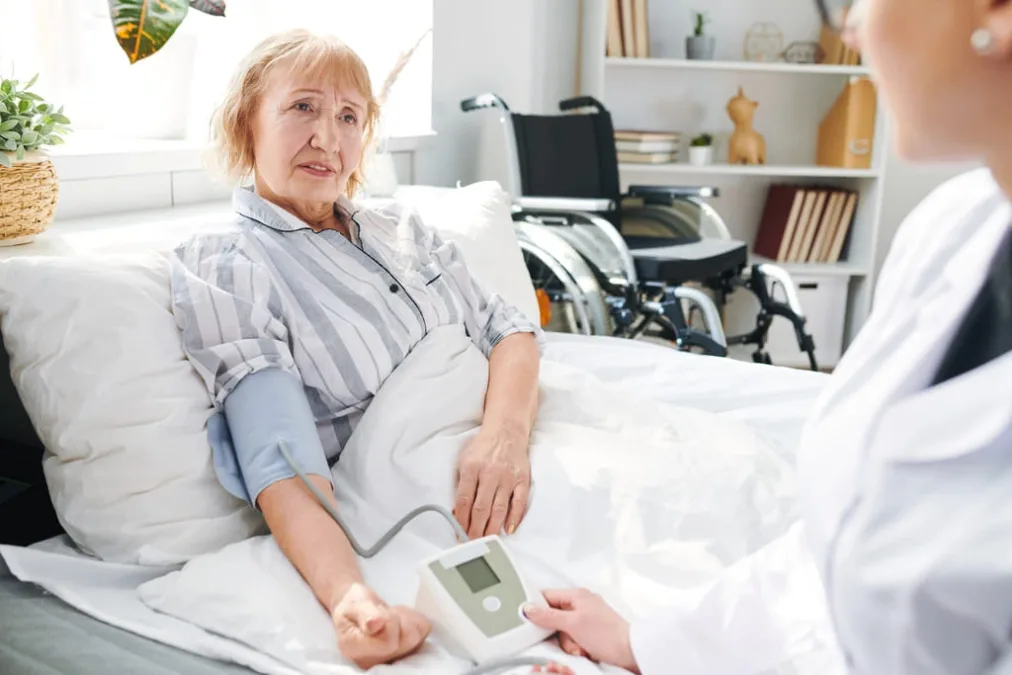
What to Do After Leaving the Hospital
Transitioning from hospital care back to your home environment is a critical stage in your healing journey. The first few days after discharge require careful attention to medical instructions, medication management, and physical rest to prevent surgical complications, illness relapse, or unplanned hospital readmissions.
Review and Organize Your Medications Immediately
Medication changes frequently occur during a hospital stay, making reconciliation a top priority once you arrive home.
Compare new and old prescriptions: Compare your new discharge prescription list against the medications you were taking before your stay. Discontinue any drugs your hospital care team explicitly told you to stop.
Fill new prescriptions right away: Ensure all newly prescribed drugs—especially antibiotics, pain relievers, or blood thinners—are filled at your pharmacy immediately.
Use a pill tracker or schedule: Write down a clear daily schedule for your new dosing routines, paying close attention to drugs that must be taken with food or at specific times.
Prioritize Wound Care and Infection Prevention
If you had surgery, invasive procedures, or wound care treatment, protecting your skin barrier is essential for recovery.
Follow incision care guidelines: Keep surgical dressings clean and dry according to your surgeon's specific directions. Change bandages only as instructed using clean hands.
Adhere to bathing restrictions: Avoid soaking in baths, hot tubs, or swimming pools until your surgical team clears you. Stick to sponge baths or brief showers if permitted.
Monitor for signs of infection: Check your surgical site daily for red flags such as expanding redness, increased swelling, foul-smelling drainage, warmth, or a fever over 100.4°F (38°C).
Pace Your Physical Activity and Rest
Rest is an active component of physical healing, but appropriate light movement prevents secondary complications.
Observe movement limitations: Adhere strictly to lifting restrictions, bending limits, and activity caps specified in your discharge paperwork.
Prevent blood clots with light movement: Take short, gentle walks around your home every few hours while awake to encourage blood circulation and reduce the risk of deep vein thrombosis (DVT).
Prioritize restorative sleep: Rest when you feel fatigued. Your body requires significantly more energy and sleep to repair tissues and recover strength.
Coordinate Post-Discharge Follow-Up Care
Never skip or delay post-hospital medical evaluations, even if you feel completely recovered.
Confirm follow-up appointments: Schedule or verify your post-discharge check-up with your primary care physician or specialist within the timeframe recommended by the hospital.
Arrange transportation: If your condition limits driving or if you are taking prescription pain medications, secure a reliable ride to your upcoming appointments.
FAQ
What should I do if my home pain medication isn't controlling my pain?
Call your prescribing doctor or surgical team's office directly. Do not take extra doses or combine unprescribed pain relievers without professional medical approval, as this can cause dangerous side effects or drug interactions.
When is it safe to resume driving after leaving the hospital?
You must wait until you are completely off narcotic pain medications, have full physical reaction speed without discomfort, and have received explicit clearance from your physician.